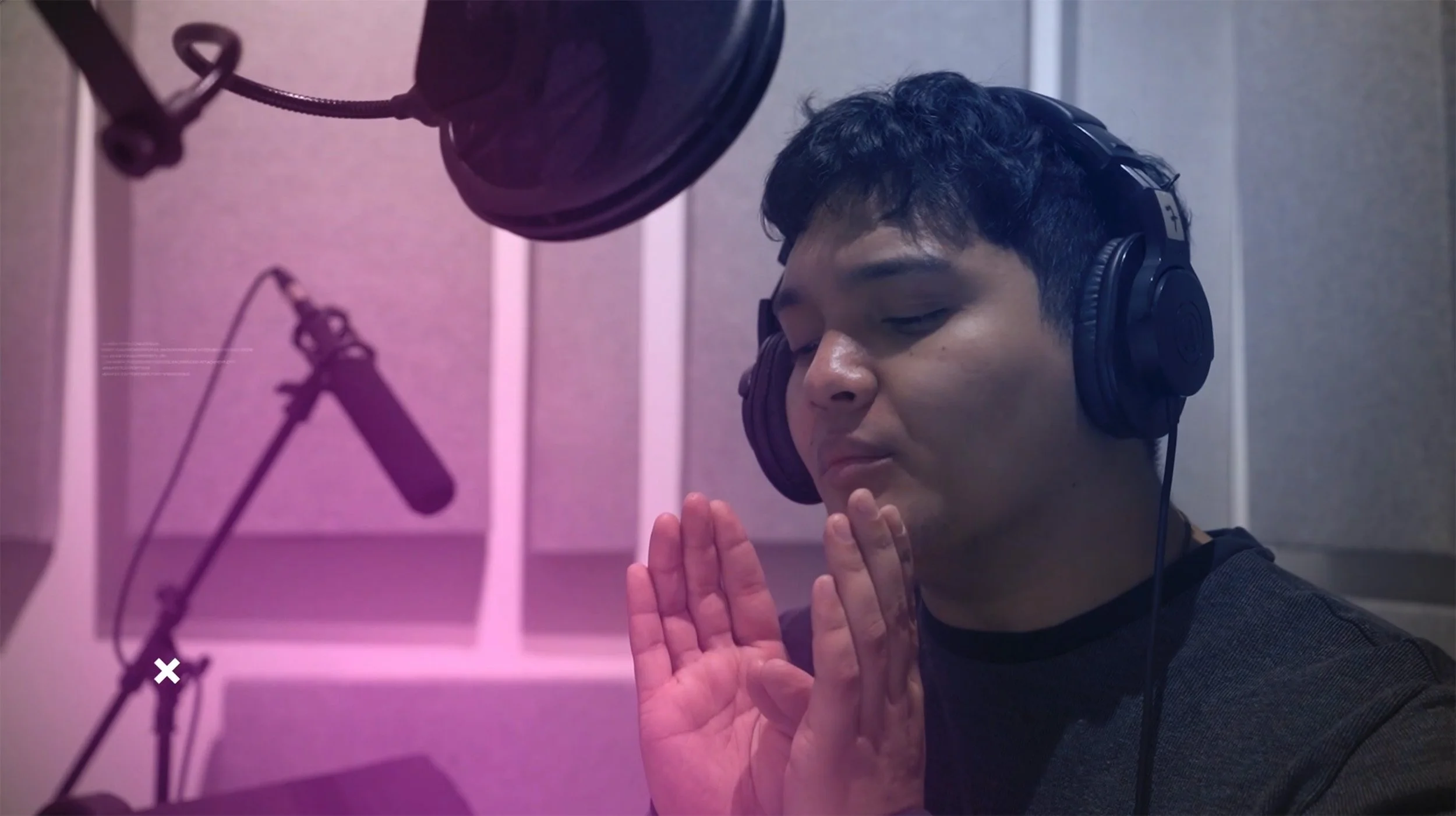

FULL-TIME PROGRAM

INTAKES ARE FILLING UP FAST! RESERVE YOUR SEAT TODAY!
(Ask about our scholarships and bursary options!)

LISTEN TO OUR STUDENT AND INSTRUCTOR DEMO REELS!

ANIMATION | VIDEO GAMES | COMMERCIAL | NARRATION | AUDIOBOOKS | DUBBING

ANIMATION | VIDEO GAMES | COMMERCIAL | NARRATION | AUDIOBOOKS | DUBBING

6 MONTH FULL-TIME PROGRAM DATES

SPRING 2026 INTAKE
March 30, 2026 - September 18, 2026

FALL 2026 INTAKE
September 21, 2026 – March 20, 2027

6 MONTH COHORT SCHEDULES

Cohort A (In Studio in Vancouver)
9:00 am - 1:00 pm Pacific Time on weekdays

Cohort B (In Studio in Vancouver)
1:30 pm - 5:30 pm Pacific Time on weekdays

Cohort C (Online)
12:00 pm - 4:00 pm Eastern Time on weekdays

ONE YEAR FULL-TIME PROGRAM DATES

WINTER 2026 INTAKE
January 5, 2026 – December 18, 2026

SUMMER 2026 INTAKE
July 6, 2026 – June 3, 2027

ONE YEAR COHORT SCHEDULES

Cohort D (Winter Hybrid in Vancouver)
6:00 pm - 10:00 pm Pacific Time
Tuesdays & Thursdays
plus some Fridays

Cohort E (Summer Hybrid in Vancouver)
6:00 pm - 10:00 pm Pacific Time
Mondays & Wednesdays
plus some Fridays

Cohort F (Winter Remote)
6:00pm - 10:00pm Eastern Time
Tuesdays & Thursdays
plus some Fridays

PROGRAM PLANNING & SUPPORT

  • CAREER PLANNING SESSION

    Register for a free one-on-one counselling session to learn more about OTM and to ensure that we’re the right-fit for you.

  • OTM OPEN HOUSE

    You’re invited to get to know us, our instructors and graduates by attending our Free Open House.

  • APPLICATION REQUIREMENTS

    Find out how our program and curriculum works, map your path, get answers to questions and set your goals as a Voice Actor!

Comprehensive Voice-over Training Full-Time Program

Six Month In-Studio (Vancouver) and Remote - Daytime

  • Train with instructors who are some of the most successful voice-over actors in North America in this highly unique, one-of-a-kind program!

  • Develop your professional workflow in a highly focused environment for 6-months to graduate with a fully produced demo, take part in an agency showcase and become globally competitive in the voice-over industry!

  • Connect & have Q&A panels with Industry professionals such as voice-over agents, voice directors and voice-over casting directors, to help fill the gaps of knowledge and raise your VO IQ

  • Learn how to set up and use a home studio and recording equipment in order to produce professional sounding audio

  • Learn how to submit professional sounding MP3 auditions with respect to performance and sound quality to book work in a variety of mediums (home market agent, online)

  • Learn how to become accountable to yourself, your career and how best to use your time

  • Train in voice-over enhancing performance courses such as acting, voice and movement, improv and accents

  • 480 hours of curriculum learned in 6 months.

  • See Fees & Financial Aid for program fees.

AFTER GRADUATION

  • Take part in an voice-over agency showcase, where multiple agents will zoom in to see you perform

  • Get enrolled into our Alumni Network and connect with past graduates to help you on your journey

  • Take part in 2 Post Graduate Accountability Check-ins with School Directors - Michael Daingerfield and Noel Johansen

  • Receive your completed demo (a value of CAD$1400) and get a 15% discount code for your next demo

  • Have use of Studios B and C at OTM for auditions and bookings


Comprehensive Voice-over Training Full-Time Program

One Year In-Studio (Vancouver) and Remote - Evening

  • 48 week program, 2 - 3 nights per week. Alternating monthly 8 hours, then 12 hours (repeating).

    Class time from 6:00pm - 10:00 pm PDT.

  • (12) courses, identical curriculum as the Full-Time Program.

  • Hybrid (choose your in-studio days) and Online (remote is compulsory). This is the most flexible version of our Full-Time Program which allows for working professionals and actors to complete this comprehensive Voice-over Training Full-Time in one year, instead of 6 months.

  • 480 hours of curriculum learned in 1 year.

START YOUR DREAM CAREER NOW!

Start your voice-over career with government accredited training to get legitimate and measurable results!

  • Item description
  • 6 MONTH FULL-TIME PROGRAM

    [In Studio] The program runs for 24 weeks from start to finish. Students will attend 4 hours of class daily and have additional hours of studio access each day for lab work and independent learning. Student should expect to be doing about an hour of homework per day either during lab time or from home.

    [Online] The program runs for 24 weeks from start to finish. Students will attend 4 hours of class daily from their home studio setup. Student should expect to be doing about an hour of homework per day.

    1 YEAR FULL-TIME PROGRAM

    48 week program, 2 - 3 nights per week. Alternating monthly 8 hours, then 12 hours (repeating).

    (12) courses, identical curriculum and Full-Time as the Full-Time Program.

    This is the most flexible version of our Full-Time Program which allows for working professionals and actors to complete this comprehensive Voice-over Training Full-Time in one year, instead of 6 months

  • See Fees & Financial Aid for program fees.

  • [In Studio] Because of the length of our Full-Time Program 6 months/24 weeks), students do not need a study permit to study at On The Mic Training. But, students will need a letter from us to present at the Canadian border. Keep in mind this means that International students will need to leave the country before those 6 months are up.

    [In Studio] For the 1 year/48 week program in studio, if you are an international student, you would need either a study visa from the IRCC (Immigration, Refugees and Citizenship Canada) OR Permanent Residency in Canada.

    [Online] International students in the online version of either the 6 month or 1 year Comprehensive Voice-over Training Full-Time Program do not require a visa as long as they are taking the program from outside of Canada.

  • The program covers Animation Voice-over, Commercial Voice-over, Narration Voice-over, Dubbing and A.D.R, Video game Voice-over, Audiobook Narration, The Business of Voice-over, MP3 Auditioning, Voice and Movement, Acting, Improv and Accents.

  • Domestic Students will be able to use RRSP and RESP funds to help pay for their education but terms do apply. Students are also able to go to some banks and credit unions on a case by case basis to apply for a line of credit to help pay for their education. More information about student loan options can be found on the Application Page.

  • Our programs are not eligible for the Post Grad Work Permit Program unfortunately, although we do our best to provide as much exposure to industry professionals as possible, including providing an Agent Showcase as part of the program.

  • On The Mic Training is located in Gastown in Downtown Vancouver but we do not provide student housing. Luckily since we are so centrally located there are options close to public transit for a student budget that are less than an hour from the school. 

    Students should look into Basement suites, Apartment shares, and multiplex houses.

    In terms of Tenancy Rights in British Columbia, you should know that In British Columbia, tenancy rights are governed by the Residential Tenancy Act, which applies to most rental housing in the province. It’s administered by the Residential Tenancy Branch (RTB).

    Here’s a clear breakdown of key tenant rights in BC:

    1. Protection from Illegal Eviction

    A landlord cannot evict you without proper notice and legal grounds.

    Common legal reasons include:

    • Non-payment of rent (10-day notice)

    • Cause (e.g., significant damage, repeated late rent) – 1-month notice

    • Landlord’s use of property (e.g., landlord or close family moving in) – 2- or 4-month notice depending on situation

    You have the right to:

    • Dispute an eviction through the RTB (usually within 5–10 days depending on notice type)

    • Remain in the unit until a decision is made (if disputed properly and on time)

    2. Rent Increase Limits

    • Rent can only be increased once every 12 months

    • The increase must follow the provincial maximum percentage (set annually by the government)

    • Landlord must give 3 full months’ written notice

    3. Right to Quiet Enjoyment

    You have the legal right to:

    • Reasonable privacy

    • Freedom from harassment

    • Reasonable peace and quiet

    • Proper notice before landlord entry (at least 24 hours written notice, except emergencies)

    4. Repairs & Maintenance

    Landlords must:

    • Maintain the property in a state fit for occupation

    • Make necessary repairs within a reasonable time

    Tenants must:

    • Keep the unit reasonably clean

    • Report issues promptly

    If repairs are not made, tenants can apply to the RTB for:

    • Repair orders

    • Rent reductions

    • Permission to withhold rent (only through legal process — never just stop paying)

    5. Security Deposits

    • Max ½ month’s rent for security deposit

    • Max ½ month’s rent for pet damage deposit

    • Must be returned within 15 days of tenancy ending (unless landlord applies to keep part)

    6. Illegal Clauses

    Landlords cannot:

    • Ban guests unreasonably

    • Require extra damage deposits beyond legal limits

    • Charge application fees (in most standard residential tenancies)

    7.Written Agreements

    While verbal agreements are valid, landlords must provide:

    • A written tenancy agreement

    • A copy of the standard terms required under BC law

    If There’s a Dispute

    You can:

    • Apply for dispute resolution through the Residential Tenancy Branch

    • Participate in a telephone or online hearing

    • Get free information from organizations like:

      • TRAC (Tenant Resource & Advisory Centre)

      • Access Pro Bono

  • The Full-Time Program at On The Mic is a government-accredited diploma program designed to take you from beginner (or intermediate) through to competitive working-professional level in voice acting. It’s the only program in the English Speaking language focused exclusively on voice-over with this level of government accreditation.

    Program Formats & Schedules

    There are two primary tracks you can take:

    1. 6-Month Daytime Full-Time Program

    • Duration: 24 weeks (approx. 6 months)

    • Schedule: Monday–Friday, ~4 hours per day (two cohorts: morning and afternoon)

    • Location: In-studio in Vancouver or remote from anywhere

    • Ideal for: Students who can commit to full-day training and focus intensely on VO skills

    • Outcome: Graduate with a professional demo, agency showcase opportunities, and VO career readiness.

    2. 1-Year Full-Time Evening Program

    • Duration: 48 weeks (approx. 1 year)

    • Schedule: Evenings and some Fridays, ~8–12 hours per week

    • Location: Vancouver (hybrid) or fully remote

    • Ideal for: Working professionals or students needing a flexible schedule

    • Same curriculum as the 6-month program, just spread out over more time.

    What You’ll Learn & How Progression Works

    The Full-Time Program isn’t just “voice lessons” — it’s a comprehensive vocational progression that includes:

    Voice-Over Performance Training

    Training across major VO genres, such as:

    • Animation

    • Commercials

    • Narration

    • Video Games

    • Audiobooks

    • Dubbing & ADR

    Performance-Enhancing Skills

    Courses that build your acting prowess and vocal flexibility, including:

    • Acting for VO

    • Voice & movement

    • Improv

    • Accents & dialect work

    • Script analysis / performance interpretation

    Technical Skills

    • Setting up and using home recording equipment

    • Producing broadcast-quality MP3 auditions

    • Creating professional-sound reels and demos

    • Submitting auditions to agents and clients

    • Understanding the business side of VO work

    Industry Exposure

    • Q&A sessions with agents, casting directors, and working professionals

    • Agency showcase where you audition in front of industry reps after graduation

    • Alumni network support and studio access for auditions after you finish

    Program Progression & Career Path

    Here’s how progression typically works through the program:

    Start (Foundations + Technique)

    You build:

    • Vocal control

    • Performance confidence

    • Acting choices for different genres

    This is where instructors evaluate your range and help tailor your learning path.

    Skill Integration (Practice + Recording)

    You apply performance skills to real scripts, recordings, and critiques. You’ll work with engineers and instructors in professional-grade studios.

    Demo Development & Career Prep

    • Create commercial, animation, narration, or speciality demos

    • Build professional portfolio tools

    • Participate in the industry showcase to get visibility with agents and casting pros.

    Post-Graduation Support

    Graduates can:

    • Access studios for auditions

    • Join alumni networks

    • Get follow-up coaching and accountability check-ins with OTM leadership.

    Who It’s For

    The ideal students are those who:

    • Have a passion for storytelling and expression

    • Are ready to commit to a structured, intensive training schedule

    • Want a career-focused credential with industry ties

    • Want to graduate with measurable skills and demos that help them enter the VO job market.

    You don’t need to be a traditional actor or already experienced, but dedication to development and practice is critical.

  • 1. One-on-One Career & Admissions Support

    Free Career Planning Sessions

    Students and prospective students can book a free one-on-one career or admissions planning session. This is designed to help you:

    • Explore whether VO and the full-time program are the right fit for your goals

    • Clarify pathway and progression

    • Ask detailed questions about curriculum and expectations

    • Get personalized guidance before you enroll.

    Great to use before you commit — it’s a dedicated time with the admissions team to plan your learning path.

    2. Individual Coaching & Consulting

    Private Voice-Over Coaching

    Students can book extra coaching sessions tailored to:

    • Preparing for specific auditions

    • Targeted skill refinement

    • Personalized feedback outside regular class time

    • Addressing performance challenges one-on-one

    • Career roadmap guidance

    Coaching is available in person (Vancouver) or online via Zoom/Google Meet.

    This support is ideal if you want extra help beyond classroom learning or focused preparation for auditions and demos.

    3. Demo & Recording Support

    Demo Reel Production Services

    Even though your full-time program includes demo creation, OTM also offers dedicated demo production services where they:

    • Provide studio time

    • Provide director and engineer support

    • Help polish your reel for industry standards

    Having professional support ensures your demo is competitive and technically excellent — a critical tool in your VO career.

    Audition Recording Support

    Students can book studio time to:

    • Record auditions

    • Get coaching during audition sessions if desired

    • Produce broadcast-quality MP3s or session files

    This gives students a supportive environment to build their portfolio of audition submissions.

    4. Technical & Studio Support

    Studio Access & Equipment Guidance

    OTM has multiple professional studios available where students can:

    • Practice ongoing lessons

    • Record audition files

    • Get familiar with different hardware setups

    Even after classes, studios (especially smaller booths) can often be booked to continue practical skill development.

    Home Studio Consulting

    Setting up your home studio can be overwhelming — especially with acoustics, gear selection, and signal flow — so OTM offers consulting where they help you:

    • Choose gear that fits your budget and space

    • Set up acoustically effective recording environments

    • Learn the basics of home recording workflows

    • Troubleshoot setup issues remotely via Zoom/Meet.

    This is hugely valuable because most VO work happens from a home studio once you graduate.

    5. Post-Graduation & Career Support

    Agency Showcase

    After completing the Full-Time Program, students participate in a voice-over agency showcase, where:

    • Agents and casting directors see you perform

    • You get exposure to industry professionals

    • Performances and demos get circulated for real opportunities.

    Alumni Network & Ongoing Check-Ins

    Graduates are invited into the school’s alumni network, which can help you:

    • Stay connected with peers

    • Share job leads and resources

    • Keep learning and networking

    • Attend periodic post-graduate accountability check-ins with directors to stay on track in your career.

    Bonus: Informal Support & Community Learning

    Although not official “support services,” many students report that:

    • Peer feedback and cohort collaboration in the program accelerates learning

    • Homework feedback and intensive mic performance practice reinforce skills rapidly

    • Networking with instructors and students fuels motivation and opportunity.

    Key Takeaways

    OTM’s learning supports focus on helping students:

    • Plan their VO education and goals

    • Get personalized instruction outside of class

    • Record and produce professional demos & auditions

    • Set up and use home studios effectively

    • Transition into the industry with professional exposure

    • Continue learning and networking post-graduationItem description

  • OTM works with Career & Skills Support locally within the city of Vancouver in cooperating with:

    WorkBC Centre Vancouver South — Training & Employment Supports
    Provides career workshops (job search, networking, career planning), and, for eligible participants, support for training costs or work placements. Several of our students have received WorkBC grants and assistance to do our accredited program

    Local UBCP/AFTRA

    We work with the Union and many of our students have received grants and bursaries to study with us in both our Part-Time and Full-Time programs.

    Local Indigenous Bands

    Members of our Indigenous students have received aid from local Bands towards their studies in the Full-Time program.

    Even if voice-over training isn’t employment-funded, these supports can help with career development, networking, and post-training employment readiness.

  • PRIOR TO PROGRAM START

    1. Admissions Planning Session
    Before you’re enrolled, OTM offers a free admissions consultation where staff explain how the full-time voice-over programs work, the curriculum, outcomes, and can answer questions about preparation and expectations. It’s intended to help prospective students understand the training and decide if it’s the right fit for them.

    2. Open House Events
    The school sometimes holds Open House sessions (often online via Zoom) before an intake begins. These events let prospective and newly admitted students meet instructors, hear from graduates, ask questions about the program, and learn more about career paths in voice-over. They can serve as a kind of informal orientation.

    ONCE ENROLLED

    Once accepted, students usually receive further communication (acceptance emails, enrolment contracts, and payment information) which typically includes practical details about schedules, studio access, equipment needs, and start-of-program logistics (though this premium information isn’t publicly posted on the site).

    Just click “Start Here” and our program overview pages walk you through what to expect in terms of curriculum focus and how to prepare for voice-over training.

    Before classes begin typical steps are:

    1. Attend an admissions planning session or open house – learn how the program works and what’s expected.

    2. Complete enrolment and receive official communication – after acceptance and paying the commitment fee, the school sends further instructions (likely including pre-class information).

    3. Prepare equipment and materials – students often are advised to have a basic recording setup and reading practice before Day 1.

    STUDENT ORIENTATION DAY 1

    On the first day of classes, OTM does a thorough Student Orientation, which walks everyone through the an overview of the program mapping out the learning journey, the expectations, and a detailed look at the Student Handbook with respect to our Policies and Guidelines as prescribed by our Governing Accredited Body PTIRU (Private Training Institutions Regulatory Unit)

  • Here’s a clear overview of daily life in British Columbia (especially Metro Vancouver) for an out of town or international student attending our program — including transportation, childcare, communications, and banking. Most of this applies if you’re living in or around Vancouver, BC:

    Transportation — Getting Around the City

    What to get to get around:

    Compass Card

    • A reloadable card used on buses, SkyTrain, and SeaBus. You can load money or passes on it at stations, online, or at select retail locations.

    Student Transit Pass (U-Pass BC)

    • Many post-secondary students get a discounted monthly transit pass called U-Pass BC, giving unlimited travel on all TransLink services.

    Forms of Transport

    Buses

    • TransLink operates the city-wide bus network across Vancouver, Burnaby, Richmond, Surrey, and more.

    • Buses run frequently throughout the day and evening, with stops throughout neighbourhoods.

    SkyTrain

    • Vancouver’s rapid transit system includes multiple lines connecting downtown to suburbs, the airport (Canada Line), and beyond.

    • Trains usually run from early morning until late at night, with frequent service during peak hours.

    SeaBus

    • A passenger ferry connecting downtown Vancouver to North Vancouver — scenic, useful, and part of the same TransLink system.

    Childcare — For Students with Families

    Childcare in British Columbia is available, but spaces in licensed programs can be limited and waitlists common.

    Types of Childcare

    • Licensed childcare centres (daycare & preschool) — regulated and inspected.

    • Before/After school care — for elementary-aged children.

    • Unlicensed (Licence-Not-Required) options — smaller home-based programs (up to a few children) that parents arrange themselves.

    Tips for Childcare

    • Space is often limited, so apply early for licensed care.

    • Government subsidies (Affordable Child Care Benefit) may help reduce costs based on income.

    Communication — Cell Phones & Internet

    Getting a Cell Phone Plan

    • Major Canadian carriers include Telus, Bell, Rogers and budget providers like Koodo, Virgin Plus, Freedom Mobile, Public Mobile.

    • You’ll usually need two forms of ID to sign up:
      • Passport
      • Study permit or other government-issued ID

    • Many international students use providers with flexible, no-credit-check plans tailored to newcomers — e.g., local popular SIM brands.

    Before You Arrive

    • Consider setting up a Canadian phone plan in advance (e-SIM options exist), so you have a number ready when you land.

    Internet at Home

    • Most rental homes and apartments have high-speed internet available through local ISPs (e.g., Shaw, Telus, Novus).

    Banking — Money & Financial Services

    Opening a Bank Account

    To open a student bank account in Canada, banks typically ask for:

    • Passport

    • Study permit

    • Proof of address (e.g., a rental agreement)

    • Enrollment letter from your school

    Banks with Student-Friendly Options

    Major banks offering student accounts with low/no fees and useful services include:

    • Royal Bank of Canada (RBC)

    • Scotiabank

    • TD Canada Trust

    • CIBC

    • Vancity
      Many have branches and ATMs near schools and community transit hubs.

    Online & Mobile Banking

    • Most Canadian banks have robust mobile apps allowing transfers, bill payment, budgeting tools, and e-statements.

    Using Debit Cards & ATMs

    • ATMs (often called bank machines) are available widely, 24/7. Using your bank’s own ATMs avoids extra fees; other machines may charge small fees.

    Daily Life and Culture — What to Expect

    Shopping & Rent

    • Vancouver is known for higher living costs — rent, groceries, and transit all cost more than smaller Canadian cities.

    Culture

    • BC is multicultural and outdoor-oriented. People enjoy cycling, walking, beaches, parks, and local markets.

    Active Lifestyle

    • Expect lots of walking, biking paths, and scenic outdoor spaces. Many students explore local parks, beaches, and trails on weekends.

  • OTM’s CRITICAL INCIDENT & CRISIS MANAGEMENT POLICY

    1. Policy Statement

    On The Mic Training is committed to maintaining a safe, secure, and trauma-informed educational environment in compliance with the standards of the Private Training Institutions Branch (PTIRU), Government of British Columbia.

    This policy establishes:

    • Clear response procedures for critical incidents

    • Defined leadership authority

    • Documentation and reporting obligations

    • Student protection measures

    • Communication and continuity protocols

    2. Legislative & Regulatory Framework

    This policy aligns with:

    • Private Training Act (British Columbia)

    • PTIRU Policy Manual

    • BC Human Rights Code

    • Personal Information Protection Act (PIPA)

    • Workers Compensation Act (WorkSafeBC)

    • Criminal Code of Canada (where applicable)

    3. Scope

    This policy applies to:

    • All enrolled full-time students

    • Instructors (staff and contracted)

    • Administrative staff

    • Guest coaches

    • Volunteers

    • Visitors

    It applies to incidents occurring:

    • On institutional premises

    • During institutional activities

    • During off-site practicum or events

    • In online environments when impacting student safety or operations

    4. Definition of a Critical Incident

    A critical incident is any event that:

    • Results in serious injury, death, or threat of harm

    • Creates significant disruption to institutional operations

    • Requires emergency response

    • Impacts student safety, well-being, or institutional integrity

    Examples include but are not limited to:

    4.1 Medical Emergencies

    • Serious injury requiring ambulance transport

    • Overdose

    • Suicide attempt

    • Severe psychological crisis

    4.2 Violence & Threats

    • Assault or credible threat

    • Weapon on premises

    • Active attacker situation

    • Bomb threat

    4.3 Environmental & Infrastructure

    • Fire

    • Earthquake

    • Gas leak

    • Flood

    • Extended power outage

    4.4 Student Protection Concerns

    • Sexual misconduct disclosure

    • Harassment or discrimination

    • Missing student

    • Sudden death of student or staff

    5. Immediate Emergency Response Procedure

    Step 1 – Call Emergency Services

    Dial 911 for life-threatening emergencies.

    Step 2 – Ensure Immediate Safety

    • Evacuate or lockdown as required

    • Provide first aid if trained

    • Remove individuals from immediate danger

    Step 3 – Notify Institutional Authority

    Immediately notify:

    • Directors / Owners

    • Program Manager

    • SEA (Senior Educational Advisor)

    If unavailable, the most senior staff member present assumes interim authority.

    6. Crisis Response Team (CRT)

    The institution maintains a Crisis Response Team consisting of:

    • Operations Director (Chair)

    • Program Manager

    • SEA or Safe Space Coordinator

    • Designated Instructor Representative / Instructor Coordinator

    Responsibilities include:

    • Risk assessment

    • Coordination with emergency services

    • Student safety planning

    • Communication oversight

    • Documentation and reporting

    • Determining need for PTIB notification

    7. PTIRU Notification Requirements

    Where required, the Operations Director will notify PTIRU in writing if an incident:

    • Results in student death on campus

    • Leads to institutional closure

    • Involves significant criminal investigation impacting operations

    • Threatens financial or operational viability

    • Impacts student tuition protection or program delivery

    Notification will occur as soon as reasonably practicable.

    8. Documentation & Record Retention

    A Critical Incident Report must be completed within 24 hours and include:

    • Date and time

    • Location

    • Individuals involved

    • Description of incident

    • Immediate response actions

    • External agencies involved

    • Follow-up measures

    • Communication actions taken

    Records are:

    • Stored securely

    • Maintained in accordance with PIPA (Personal Information Protection Policy)

    • Retained per institutional record retention policy

    Confidentiality will be strictly maintained.

    9. Communication Protocol

    Internal Communication

    • Factual and timely

    • Respecting privacy and confidentiality

    • Avoiding speculation

    Methods may include:

    • Email

    • Learning management system

    • In-person briefing

    External Communication

    Only the Operations Director (or designate) may communicate with:

    • Media

    • External agencies

    • Public

    All statements will:

    • Protect personal privacy

    • Avoid identifying victims

    • Reflect institutional neutrality

    10. Student Support & Accommodations

    Following a critical incident, the institution will:

    • Provide referrals to community mental health services

    • Offer academic accommodations where appropriate

    • Allow compassionate leave

    • Facilitate group debrief sessions when appropriate

    Support is trauma-informed and non-retaliatory.

    11. Sexual Misconduct & Harassment

    Disclosures will be handled under the institution’s Sexual Misconduct Policy and in alignment with:

    • BC Human Rights Code

    • Criminal Code of Canada

    Immediate priorities include:

    • Ensuring safety

    • Offering support resources

    • Preserving evidence (if applicable)

    • Initiating formal complaint procedures

    • Preventing retaliation

    12. Business Continuity Plan

    In the event of operational disruption:

    • Classes may move online

    • Studio access may be temporarily restricted

    • Make-up sessions will be scheduled

    • Tuition protection obligations will be upheld

    If temporary closure occurs, students will receive written notice within 24 hours where possible.

    13. Training & Preparedness

    The institution will provide:

    • Annual emergency procedure training for staff

    • Evacuation drills

    • Trauma-informed response training

    • Clear emergency contact postings

    New staff receive crisis protocol orientation during onboarding.

    14. Student Responsibilities

    Students must:

    • Report safety concerns immediately

    • Follow emergency procedures

    • Respect confidentiality

    • Refrain from spreading misinformation

    Failure to comply may result in disciplinary action under the Student Code of Conduct.

    15. Post-Incident Review

    Within 14 days of a major incident, the Crisis Response Team will:

    • Conduct a procedural review

    • Identify gaps

    • Update policies if required

    • Document corrective measures

    16. Policy Review & Approval

    This policy will be reviewed:

    • Annually

    • After any major incident

    • Upon regulatory change

BOOK YOUR FREE ADMISSIONS

PLANNING SESSION NOW!

Video or Phone call—let’s schedule a call to plan your future.